





What TZM Alloy Is Used For?
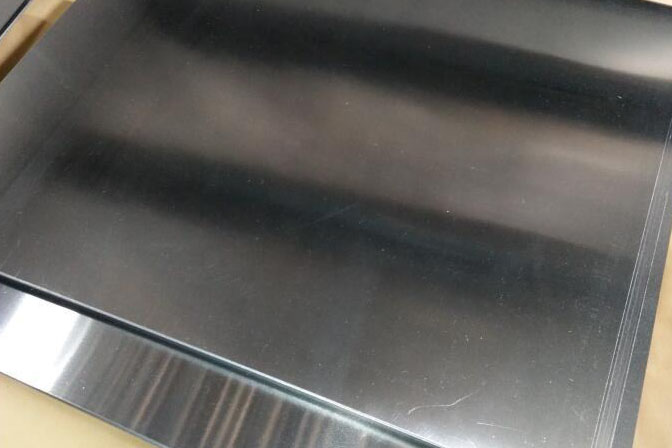
TZM is a high-performance, molybdenum-based alloy material and has been applied for its excellent properties, especially in high-temperature and high-strength applications. TZM alloy features superior thermal stability, mechanical strength, and resistance to wear and corrosion. These properties make it indispensable in various industries such as aerospace, nuclear, manufacturing, and electronics.
1. Aerospace Industry: High-Performance Components
The main applications of TZM alloy include aerospace, where high temperatures and mechanical stresses are commonplace. Its ability to maintain strength at such elevated temperatures makes TZM ideal for critical components that need to function under extreme conditions.
Example: Rocket Nozzles and Thrust Chambers
Applications include the making of rocket nozzles and combustion chambers, where TZM has been able to withstand the heating action occasioned by rocket propulsion. Its thermal stability means that such parts do not degrade or lose their structural integrity under the intense heat generated by rocket engines. For example, its melting point, about 3,200°C, enables it to perform in an environment where other materials could fail.
Additionally, the low coefficient of thermal expansion confirms that TZM retains its shape under rapid temperature increases, therefore being a suitable material for rocket motors and propulsion systems.
2. Tooling and Manufacturing: High-Temperature Dies and Molds
The TZM alloy finds wide application in the manufacturing industry, especially for tooling applications requiring materials that can sustain high temperatures and heavy mechanical loads. Its blend of high strength with resistance to wear makes the TZM alloy particularly suitable for the manufacture of dies, molds, and other tooling pieces used in precision manufacturing.
Example: Hot Work Tooling
In hot working operations like die-casting, forging, and extrusion, the tool has to resist not only very high mechanical stresses but also elevated temperatures. With high thermal conductivity and resistance to thermal fatigue, TZM is ideal in these applications. For example, in die-casting, TZM is used as a mold material for aluminum, magnesium, and zinc alloys. These materials have comparatively low melting points; however, during the course of casting, they generate substantial heat, resulting in rapid wear in the tools. The toughness of the material ensures that these molds hold their shape and function well over long production runs, thereby minimizing down times and reducing replacement costs.
Related reading: Everything about TZM Alloys
3. Electronics and Electrical Contacts
The high melting point and excellent thermal stability of TZM also extend its use in the electronics industry, mainly on items that require durable electrical contacts or heat sinks. Materials used in these components must be able to resist high temperatures without degradation or loss of their electrical properties. TZM combines high thermal conductivity with strength, ensuring that it can support the stresses associated with electronic devices which generate considerable heat.
Example: Electrical Contacts in High-Power Applications
Mainly, TZM is utilized in producing electrical contacts for high-power applications, including vacuum tubes, high-frequency switches, and other electronic components that require excellent resistance to heat and electrical conductivity. Strong resistance of TZM in extreme environments ensures reliability over a long period in electrical contacts, even at high current and temperature levels.
4. Additive Manufacturing: 3D Printing of High-Performance Parts
The additive manufacturing or 3D printing area is one field that has undergone rapid development in recent years; in the said field, TZM alloy has gained wide application, more so in making high-performance parts. The fact that TZM maintains its properties both during the process of printing and during the usage of the parts at high temperatures makes it a promising material for 3D printing.
Example: 3D Printing of Aerospace Components
Within additive manufacturing, TZM alloy is used to make aerospace parts like turbine blades, heat shields, and structural parts. The high precision possible with 3D printing, added to the mechanical and thermal properties of TZM, means that manufacturers can create complex parts with superior performance characteristics. These could be applied in very extreme environments, such as jet engines and rocket components, where traditional methods of manufacture might find it difficult to achieve such a high degree of precision and performance.
5. Automotive Industry: High-Temperature Exhaust and Engine Parts
Within the automotive industry, a few high-performance applications of the TZM alloy include those areas wherein high temperatures and mechanical stresses are involved. Its ability to resist thermal degradation, coupled with tensile strength at high temperatures, has made it suitable for applications in the parts related to the exhaust system, turbochargers, or in the engine parts that see very harsh conditions.
Example: Turbocharger Parts
In turbocharged engines, the turbine blades and exhaust manifolds are subjected to very high temperatures. The good thermal stability and wear resistance of TZM make it suitable for these components, considering long-time reliability and performance. Its resistance to heat cycling and oxidation is especially helpful in such high-temperature applications.
Conclusion
Because of its versatility, coupled with high performance, TZM finds a wide range of applications in many industries. With high temperature resistance, mechanical strength, and wear and corrosion resistance, it is an invaluable material in aerospace, atomic energy, manufacturing, electronics, and automotive applications.
Whether it's in the high-stress environment of a rocket nozzle, the extreme temperatures of a nuclear reactor, or the exacting precision needed for tooling and die-casting, TZM alloy prevails, outstanding in its durability and performance. And as long as industries keep raising the bar on technological challenges, the exemplary properties of TZM will secure its position as one of the materials of choice in the most demanding applications for many years to come. For more TZM products, please check Advanced Refractory Metals(ARM).
REVIEWS
{{viewsNumber}}
Thought On "{{blogTitle}}"

{{item.name}}
{{item.created_at}}
{{item.content}}
LEVE A REPLY
Comment
Name
*
Email
*
{{item.children[0].name}}
{{item.children[0].created_at}}
{{item.children[0].content}}
{{item.name}}
{{item.created_at}}
{{item.content}}
More Replies
LEAVE A REPLY
Comment
*
Name
*
Email
*
SUBSCRIBE OUR NEWSLETTER
Your Name
*
Your Email
*
Success ! You're now subscribed
You've been successfully subscribed! Check your inbox soon for great emails from this sender.
Our Latest News
Tel : (949) 407-8904
Address : 1940 East Deere Avenue, Suite 100, Santa Ana, CA 92705, U. S. A
Metals

Useful Links
Featured Posts