
Main Products
{{total}} Products
{{item}}


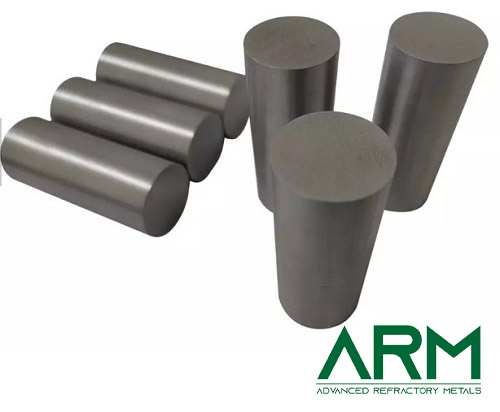
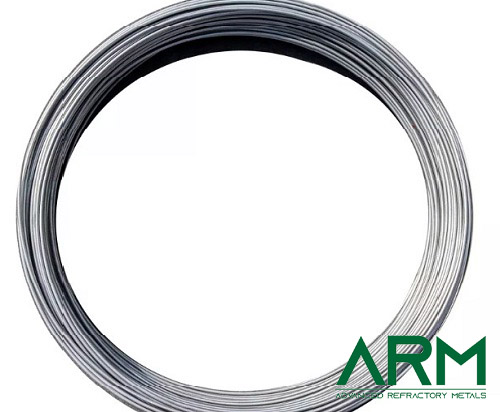
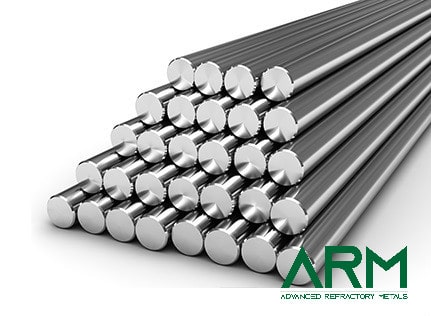
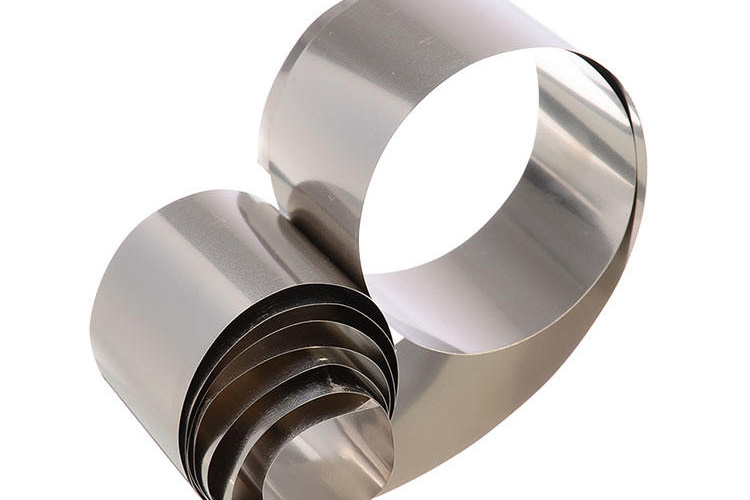
Niobium is a grey, crystalline metallic element with high temperature resistance and other desirable properties for manufacturers. It is most commonly used in the creation of numerous metal alloys. Small amounts of niobium (as little as 0.1%) can significantly improve a metal’s performance characteristics. Advanced Refractory Metals offers pure, alloy and oxide niobium products in a variety of forms, including sheets, plates, rods, wires, tubes, strips, foils, and oxides.
Symbol: Nb
Atomic Number: 41
Atomic Weight: 92.906
Element Category: Refractory Metal
Niobium is a ductile, silver-gray refractory metal known for its excellent corrosion resistance, high melting point, and superior superconducting properties. Its ability to form stable oxides, combined with outstanding thermal and chemical stability, makes it a critical material for high-performance applications in aerospace, electronics, superconductors, medical implants, and chemical processing systems.
Forms Available:
Sheet, Plate, Foil, Strip, Rod, Bar, Wire, Tube, Pipe,
Common alloys include:
These alloys are tailored for high-temperature, high-strength, and corrosion-resistant applications in aerospace, nuclear, superconducting, and industrial systems.
1. Steel Production
Niobium is a critical microalloying element in high-strength low-alloy (HSLA) steels. Even a fraction of 0.1% niobium significantly enhances strength, toughness, and weldability, making it ideal for automotive body panels, pipelines, and petrochemical infrastructure.
2. Superalloys
Niobium improves mechanical strength, creep resistance, and oxidation stability in nickel-, cobalt-, and iron-based superalloys. Concentrations up to 6.5% are common in aerospace engine components, turbine blades, and gas turbines that operate at temperatures exceeding 1,000°C (1,832°F).
3. Superconducting Magnets
Certain niobium alloys, such as Nb–Ti and Nb–Zr, are type II superconductors. When cooled below their critical temperatures, they exhibit negligible electrical resistance, making them indispensable in superconducting magnets used for MRI machines, particle accelerators, and quantum computing devices.
4. Aerospace and High-Temperature Applications
Niobium and its alloys are used in high-temperature furnace components, heating elements, and thermal shielding. Their resistance to creep and oxidation under extreme temperatures ensures reliability in jet engines, space vehicles, and high-vacuum systems.
5. Medical and Electronic Applications
Biocompatible niobium alloys are utilized in medical implants and surgical instruments. In electronics, niobium compounds and alloys serve as key materials in capacitors, superconducting wires, and specialized semiconductors.
1. Do you provide custom sizes or shapes?
Yes. All niobium sheets, plates, rods, wires, tubes, foils, and crucibles can be fabricated to meet custom specifications.
2. Which industries commonly use niobium?
Aerospace, superconducting magnets, medical implants, electronics, chemical processing, nuclear systems, and research institutions.
3. Is niobium safe for medical use?
Yes. Niobium is biocompatible, non-toxic, and corrosion-resistant, making it suitable for implants and surgical devices.
4. Why is niobium used in high-temperature and vacuum environments?
Niobium maintains stability at extreme temperatures, forms protective oxide layers, and exhibits low vapor pressure in vacuum conditions, ensuring durability and reliability.
5. Can niobium be welded or machined?
Yes. Niobium exhibits excellent ductility, weldability, and machinability, especially under inert atmospheres, allowing for precise fabrication of complex components.
Niobium's Role in Superconducting Materials,
Application of Niobium in the Steel Industry,
What Happens if Rhenium Is Alloyed to Niobium, Tungsten, and Tantalum?