





Rhenium Wire: A Complete Introduction
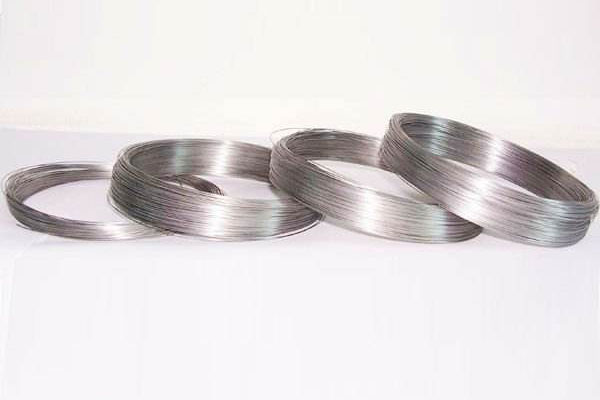
Rhenium is a rare, precious metal that has a vital role in high-temperature and high-performance applications. Among the important forms in which rhenium material is used includes the rhenium wire, valued by its different and unique combination of properties, fit for demanding environments. We look at the characteristics, applications, advantages of rhenium wire, and the importance of this metal wire to the modern industries in this article.
What Is rhenium wire?
The wire consists of a thin filament or strand from rhenium, which is a rare element on Earth, being a silver-white metal with high density. Rhenium has an extraordinary resistance to heat and wear at an approximate melting point of 3,180°C (5,756°F). In most cases, this wire is produced by the process of wire drawing combined with other precision techniques to ensure the right diameter and strength.
Rhenium wire is most commonly alloyed with other metals, such as tungsten, platinum, or molybdenum, in an effort to enhance its mechanical properties, which, in turn, make the material even more effective in high-performance applications.
Key Properties of Rhenium Wire
Rhenium wire has the following properties that make it very essential in different industries:
- High Melting Point: The melting point of rhenium is one of the highest among metals, which enables the element to work effectively at extreme temperatures. Because of this, rhenium wires will be perfect for conditions where ordinary metals fail.
- Corrosion and Oxidation Resistance: Rhenium wire has excellent resistance against corrosion, oxidation, and chemical attack at very high temperatures. This feature makes it requisite for highly adverse conditions in industries and space affairs.
- Excellent Electrical Conductivity: Though less than copper, rhenium wire has good electrical conductivity, suitable for use in electrical contacts and filaments.
- Tensile Strength: Rhenium wire boasts immense tensile strength, thereby elongating considerably before breaking under mechanical stresses.
- Thermal Stability: The material wires preserve their integrity in highly elevated temperatures, which is critical in high-performance applications like electronics or gas turbines.
Applications of Rhenium Wire
Consequently, rhenium wire has popular applications across many high-tech industries due to its unique properties. Some of its primary uses include the following:
1. Aerospace
Wire made of rhenium finds wide applications in aerospace industries, particularly in the manufacture of rocket engines and jet turbines, due to its high melting point and resistance to heat. This enables it to withstand being used for components that are exposed to extreme conditions, such as the nozzle components of rocket engines. In this respect, the wire is also used as a thermocouple wire for engine or combustion chamber temperature measurements.
2. Electrical Contacts and Filaments
The wire also finds use in electrical contacts and filaments because of its good electrical conductivity and high temperature stability. It resists the extreme conditions in vacuum tubes, electric switches, and high-temperature circuits. Its strength and stability under high currents lend themselves very well to components in high-level electrical equipment.
3. Thermocouples
Rhenium wire is used in thermocouples, often in conjunction with tungsten, for high-temperature measurement. Thermocouples made from rhenium wire can measure high temperatures with great precision in environments above 1,000°C, which is extremely important in industries such as metallurgy, materials testing, and space exploration.
4. Catalysis and Chemical Processes
Rhenium wires are important in chemical manufacture, acting as catalysts in hydrocracking and dehydrogenation processes. This is particularly useful in refinery processes, where heavy hydrocarbons are changed into more valuable lighter products such as gasoline. Its chemical inertness ensures that it acts excellently under high-temperature and high-pressure conditions.
5. Industrial and Laboratory Uses
Rhenium wire is one of the most frequently used wires in scientific research because of its stability and resistance to oxidation at high temperatures. It is used in high-precision equipment, such as mass spectrometers and electron microscopes, where the heat resistance and precision of the devices are critical.
6. Illumination and Electrical End
In electronics, rhenium wire is used in electric discharge lamps and filaments on account of their high intensity. It is also used in resistors and capacitors, where the material's stable electrical properties and high-temperature resistance are essential.
Advantages of Rhenium Wire
- High-Temperature Performance: Rhenium wire withstands very high temperatures that no other conventional material could bear. Because of this reason, in most cases, rhenium wire is indispensable in the aerospace and power generation sectors.
- Long life and reliability: Resistant to corrosion, wear, and oxidation, the wire can provide unwaveringly high efficiency for extended times, even in aggressive conditions. This reduces maintenance or replacement costs.
- Precision and Reliability: The great mechanical properties of the rhenium wire, along with electrical conductivity, make it reliable for application in sensitive and high-precision instruments, including thermocouples, electrical contacts, and laboratory equipment.
Challenges and Considerations
Despite this array of advantageous uses, there are certain challenges associated with the use of rhenium wire.
- Cost: Rhenium is a rare metal and hence much more expensive than many other materials. This could limit applications to higher-end, specialized requirements.
- Availability: Due to the rarity of rhenium, supply can be tight at times, especially for industries that use it in big quantities. This may necessitate extra caution with sourcing and cost management.
- Complexity of Fabrication: Manufacturing rhenium wire will necessitate special equipment and expertise. As a result, fabrication could be more difficult than that of the other metals and also costly.
Conclusion
Rhenium wire may be rare and expensive, but its exceptional properties make it a critical material for high-performance applications. From aerospace to electronics, rhenium wire offers durability, high-temperature stability, and corrosion resistance that make it ideal for use in some of the world's most demanding environments. As technology evolves, rhenium wire is going to remain an essential player in pushing the boundaries of what's possible across many industries. For more rhenium products, please check Advanced Refractory Metals (ARM).
REVIEWS
{{viewsNumber}}
Thought On "{{blogTitle}}"

{{item.name}}
{{item.created_at}}
{{item.content}}
LEVE A REPLY
Comment
Name
*
Email
*
{{item.children[0].name}}
{{item.children[0].created_at}}
{{item.children[0].content}}
{{item.name}}
{{item.created_at}}
{{item.content}}
More Replies
LEAVE A REPLY
Comment
*
Name
*
Email
*
SUBSCRIBE OUR NEWSLETTER
Your Name
*
Your Email
*
Success ! You're now subscribed
You've been successfully subscribed! Check your inbox soon for great emails from this sender.
Our Latest News
Tel : (949) 407-8904
Address : 1940 East Deere Avenue, Suite 100, Santa Ana, CA 92705, U. S. A
Metals

Useful Links
Featured Posts