





Alloying Rhenium with Other Metals: Creating Super Alloys
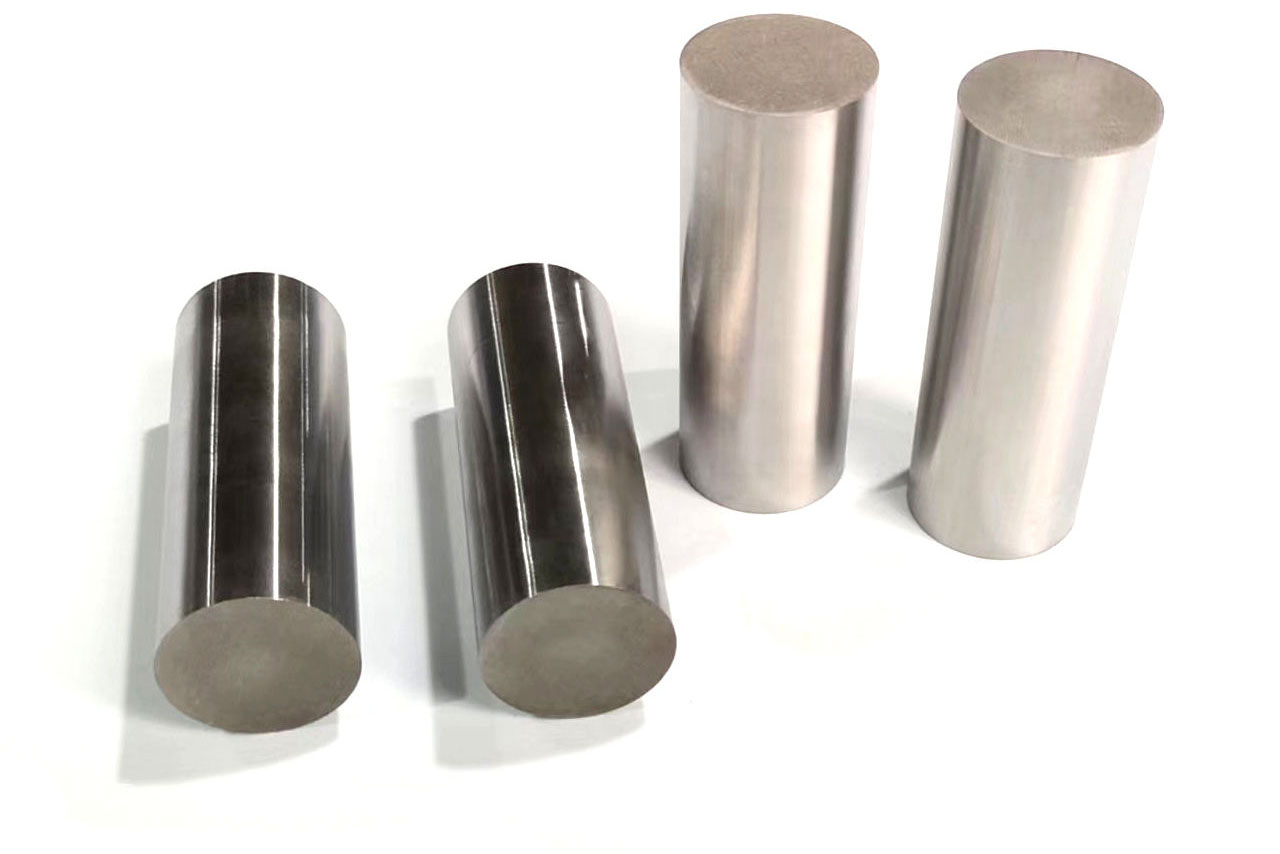
Rhenium is a very rare and costly metal; its outstanding high-temperature stability, corrosion resistance, and mechanical properties make it highly valued. Alloyed with other metals, particularly in the manufacture of superalloys, rhenium imparts dramatic improvements in performance for some of the most extreme industrial applications.
The Unique Properties of Rhenium
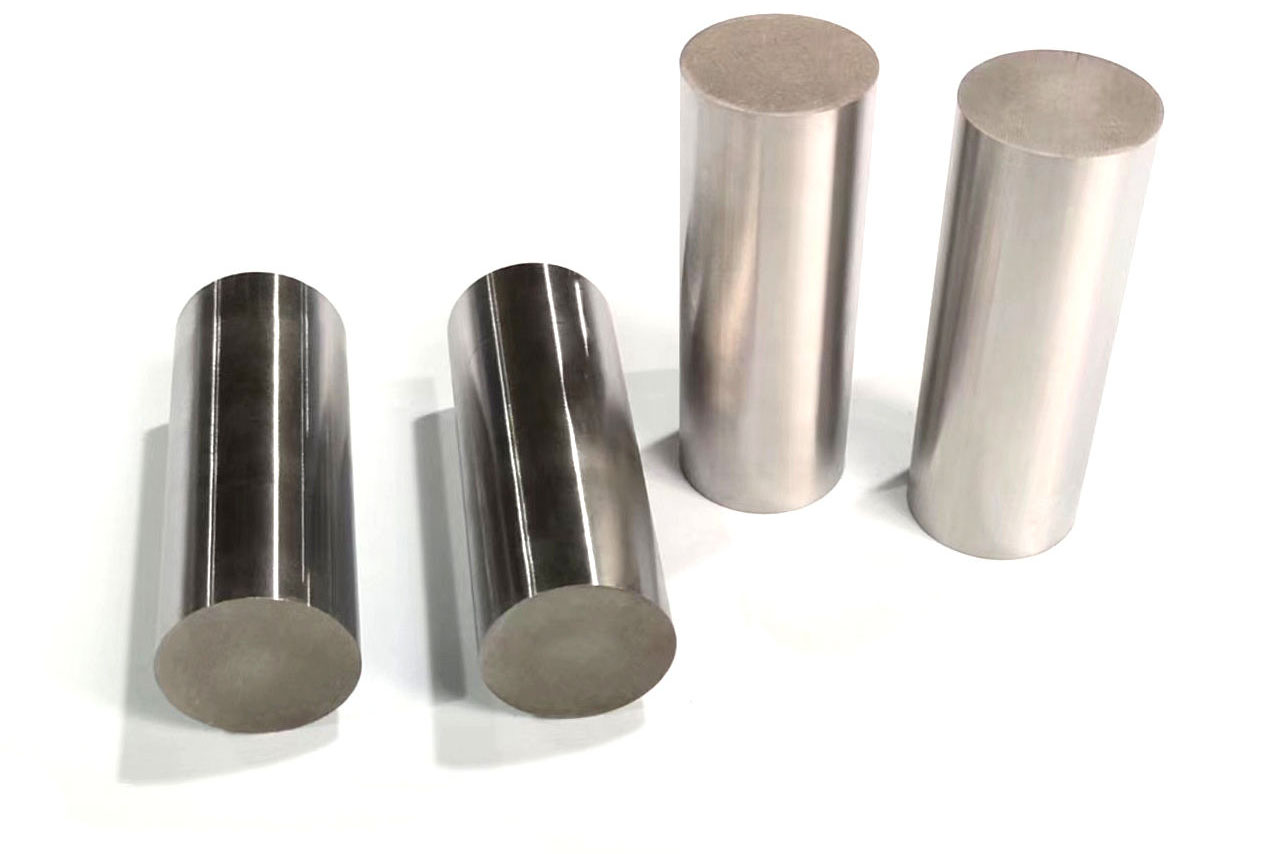
Rhenium is a dense, silvery-white metal belonging to the refractory group of metals, which are reputed for withstanding extreme conditions. It has a melting point of 3,180°C, one of the highest for any element, and it is extremely stable under high-stress conditions. Its resistance to temperature and oxidation at very high levels makes it highly suitable in alloys that result from such applications. Adding rhenium to other metals enhances those metals' ability to resist wear, retain strength, and perform in both high temperatures and stresses.
Related reading: What Are the Uses of Rhenium?
Rhenium in Superalloys: Why It Matters
Superalloys are materials designed to withstand the most extreme environments, typically in high-temperature, high-stress applications including turbine engines, chemical reactors, and high-performance manufacturing equipment. The addition of rhenium to these alloys enables several key benefits that enhance their mechanical properties.
1. High-Temperature Strength
Superalloys that contain rhenium have superior strength at high temperatures. Rhenium improves the creep resistance, the tendency of a material to slowly deform under constant stress, of the alloy, maintaining the structural integrity of the alloy even under exposure to heat for an extended period. This property is especially valuable in turbine blades in jet engines, where pieces can face temperatures surpassing 1,000°C for hours at a time.
2. Oxidation & Corrosion Resistance
In applications that involve very high temperatures and attack by corrosive gases, such as in the aerospace and petrochemical industries, alloys based on rhenium are more resistant to oxidation. Rhenium forms a layer of its oxide on the surface of the material, which protects it further and maintains the structural integrity of the material.
3. Improved Creep Resistance
It is the resistance to plastic deformation of an alloy under conditions of long-term heating and mechanical loading. Rhenium significantly improves an alloy's creep performance, thus finding use in jet turbine engines and analogous applications with high mechanical stresses on parts at elevated temperatures.
Common Metals Alloyed with Rhenium
Rhenium is usually combined with other metals to form a family of high-performance superalloys. Some common metals that rhenium is combined with include:
1. Nickel (Ni)
Superalloys based on nickel are the mainstay of both the aerospace and energy industries. The addition of rhenium to nickel imparts strength and stability in the alloy even at high temperatures. Turbine blades, parts of jet engines, and power generation turbines are commonly made from Nickel-Rhenium alloys. Rhenium improves ductility and thermal stability in the nickel matrix, which in turn provides strength in very highly stressed applications.
• Example: The RR1000 and Inconel 718 series of superalloys contain rhenium to improve their performance in gas turbine engines and other high-temperature applications.
2. Cobalt (Co)
A cobalt-based superalloy has main applications where outstanding wear resistance and excellent mechanical properties are required at extreme temperatures. Generally, rhenium is added to a cobalt-based alloy to achieve enhancements in tensile strength and resistance to corrosion. Major applications for these alloys include gas turbines, jet engines, and industrial heating equipment.
• Example: Co-Re alloys are widely used in the aerospace industry, where adding rhenium helps in improving both the wear and high-temperature oxidation resistance of the alloy.
3. Tungsten (W)
Another refractory element combined with rhenium very frequently is tungsten, intended for applications involving very high temperatures. The tungsten-rhenium alloys are applied in rocket nozzles, high-performance electrical contacts, and aerospace components where thermal resistance and structural integrity are of utmost importance.
Example: W-Re alloys are widely used in aerospace for applications involving extremely high temperatures, such as in heat shields and reentry vehicle systems.
Applications of Rhenium Alloys
The rhenium alloys possess unique properties that make them indispensible in a variety of advanced industries. Among the major applications are the following:
1. Aerospace and Jet Engine Components
Rhenium alloys play a vital role in the aerospace industry, especially in the jet engines and turbine blades. Turbine blades face extremely adverse heat and mechanical stresses, which is where rhenium's contribution becomes invaluable. The addition of rhenium improves the thermal fatigue resistance and overall durability of engine components, allowing engines to operate at higher temperatures, thereby improving fuel efficiency and power output.
2. Power Generation
In power generation, rhenium-based alloys are used in gas turbines and heat exchangers operating under conditions of high temperature and pressure. Due to the properties given by rhenium, such as thermal resistance and creep resistance, more efficient and durable operation is enabled, thus reducing the need for frequent maintenance and enhancing overall performance.
3. Chemical Processing
Rhenium-based alloys serve in the chemical and petrochemical industries, especially in catalysts, chemical reactors, and high-temperature applications. The resistance of rhenium to corrosion and the retention of strength at increased temperatures create an ideal material for use under such extreme conditions, where both high temperatures and corrosive substances exist.
4. Electronics
In electronics, rhenium alloys are used in applications that must maintain high performance at high temperatures. The alloy is used in electrical contacts of high performance, microelectronics, and semiconductor devices where precision and reliability are paramount.
5. Nuclear Energy
Rhenium's resistance to high temperatures makes the element very suitable for application in nuclear reactors and also for radiation shielding. Its resistance to degradation at extreme conditions is crucial in ensuring the safety and efficiency of nuclear power plants.
Conclusion
Alloying rhenium with other metals creates superalloys that are crucial for industries demanding outstanding strength, durability, and performance under harsh conditions. With enhancements in properties related to creep resistance, oxidation resistance, and high-temperature stability, alloys of rhenium find essential applications in aerospace, power generation, chemical processing, and electronics. If you want to know more about rhenium and rhenium alloys, you can visit Advanced Refractory Metals (ARM) for more information.
REVIEWS
{{viewsNumber}}
Thought On "{{blogTitle}}"

{{item.name}}
{{item.created_at}}
{{item.content}}
LEVE A REPLY
Comment
Name
*
Email
*
{{item.children[0].name}}
{{item.children[0].created_at}}
{{item.children[0].content}}
{{item.name}}
{{item.created_at}}
{{item.content}}
More Replies
LEAVE A REPLY
Comment
*
Name
*
Email
*
SUBSCRIBE OUR NEWSLETTER
Your Name
*
Your Email
*
Success ! You're now subscribed
You've been successfully subscribed! Check your inbox soon for great emails from this sender.
Our Latest News
Tel : (949) 407-8904
Address : 1940 East Deere Avenue, Suite 100, Santa Ana, CA 92705, U. S. A
Metals

Useful Links
Featured Posts