





Heat-Resistant Alloy Steels in Refractory Kilns: Applications and Material Selection
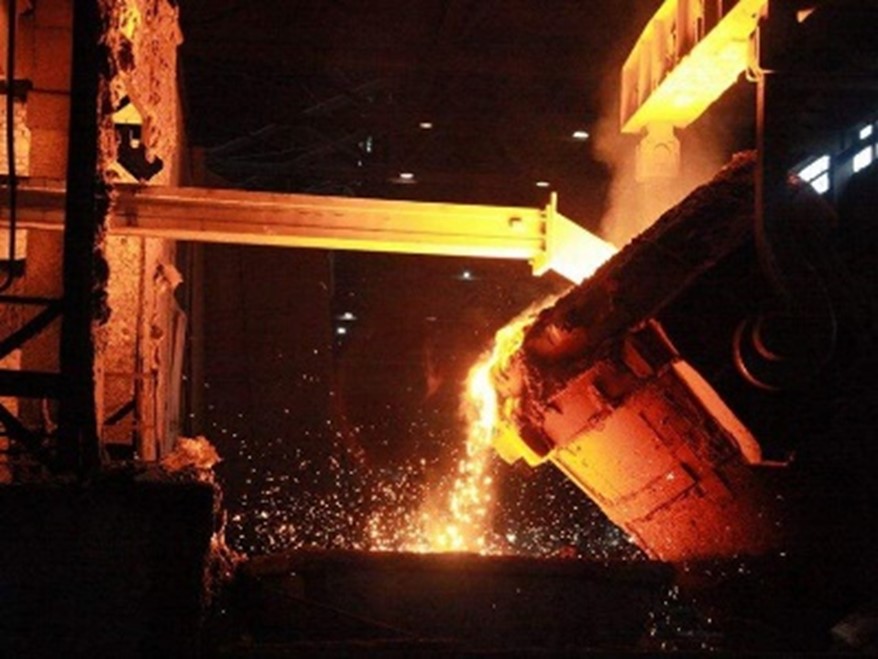
Refractory kilns are the workhorses that produce high-temperature industrial materials like fire bricks and castables. These kilns run at extreme temperatures—1400°C to 1800°C—and they have to keep going non-stop. Under those kinds of conditions, regular metals just don't hold up. They oxidize, flake off, creep, and lose strength fast. But here's the thing: you can't completely replace metal for core functions like structural support, material handling, electrical heating, and anchoring. That's where heat-resistant alloy steels come in. They have excellent high-temperature strength, creep resistance, oxidation resistance, and thermal shock resistance—making them the go-to choice for critical structural and functional parts in high-temperature kilns.
Based on real-world kiln conditions, the industry uses several main types of heat-resistant alloys. Each has its own composition, performance characteristics, and best uses.
1. 310S Austenitic Stainless Steel
310S is a classic austenitic heat-resistant steel. Its standard composition is 25% chromium and 20% nickel. It can run continuously at 1000°C to 1100°C. It offers great high-temperature oxidation resistance, good weldability, and solid overall value. That's why it's the top choice for structural parts in the cooler zones of the kiln—things like anchors, light-duty supports, and auxiliary components.
2. ZG40Cr25Ni20Si2 Cast Heat-Resistant Steel
This is a cast heat-resistant alloy made specifically for centrifugal or static casting. Its main composition is 25% chromium and 20% nickel, with 2% silicon added to boost oxidation resistance. It can handle long-term service at 1400°C to 1500°C. The material casts well, has outstanding high-temperature creep resistance, and can take heavy loads. It's mainly used for heavy-duty baskets, material-handling fixtures, and load-bearing structural parts in the hottest zones.
3. ZG40Cr28Ni48W5Si2 High-End Cast Heat-Resistant Alloy
This is a high-nickel, high-chromium cast heat-resistant alloy. Its composition is 28% chromium and 48% nickel, with an extra 5% tungsten added for solid-solution strengthening. That boosts high-temperature mechanical properties and structural stability significantly. It can run continuously at 950°C to 1100°C and withstand short-term exposure up to 1300°C to 1400°C. It also has excellent thermal fatigue resistance—so it won't crack or warp easily from frequent heating and cooling cycles. You'll find it in precision trays, core load-bearing fixtures, and critical high-temperature stressed parts in high-end kilns.
4. GH1015 Iron-Nickel-Chromium High-Temperature Alloy
GH1015 is a solid-solution strengthened iron-nickel-chromium superalloy. It can run continuously at 900°C and handle short-term exposure up to 950°C. Its high-temperature creep is extremely low—less than 0.1% over 1000 hours. It also resists sulfur corrosion and high-temperature flue gas attack really well. This alloy is ideal for core load-bearing supports and long-term stressed high-temperature structural parts inside kilns.
5. SGHYZ Electric Heating Alloy
SGHYZ is an iron-chromium-aluminum (FeCrAl) electric heating alloy. Rare earth elements are added to optimize its high-temperature performance. Its maximum operating temperature hits 1425°C. It has high electrical resistivity, stable electrothermal conversion efficiency, and excellent high-temperature oxidation resistance. This is the dedicated material for kiln heating elements—mainly heating bodies and radiant heating components.
Core Selection Principle for Kiln Materials
When choosing metals for refractory kilns, you always have to balance a fundamental trade-off: the closer a metal part gets to the super-hot core of the kiln, the higher its risk of failure. But you can't completely replace metal for some core functions. Industry experience shows that once temperatures exceed 1200°C, the creep rate of conventional metals shoots up exponentially. That leads to rapid plastic deformation, cracking, flaking, and failure.
So when you're selecting heat-resistant alloys, you have to stick to their temperature limits. You also need to consider load, operating environment, and functional requirements. The goal is to find the sweet spot between withstanding heat and serving a necessary function—maximizing part life while keeping production stable and maintenance costs down.
REVIEWS
{{viewsNumber}}
Thought On "{{blogTitle}}"

{{item.name}}
{{item.created_at}}
{{item.content}}
LEVE A REPLY
Comment
Name
*
Email
*
{{item.children[0].name}}
{{item.children[0].created_at}}
{{item.children[0].content}}
{{item.name}}
{{item.created_at}}
{{item.content}}
More Replies
LEAVE A REPLY
Comment
*
Name
*
Email
*
SUBSCRIBE OUR NEWSLETTER
Your Name
*
Your Email
*
Success ! You're now subscribed
You've been successfully subscribed! Check your inbox soon for great emails from this sender.
Our Latest News
Tel : (949) 407-8904
Address : 1940 East Deere Avenue, Suite 100, Santa Ana, CA 92705, U. S. A
Metals

Useful Links
Featured Posts