





Why Tungsten Boats Are Ideal for High-Temperature Evaporation
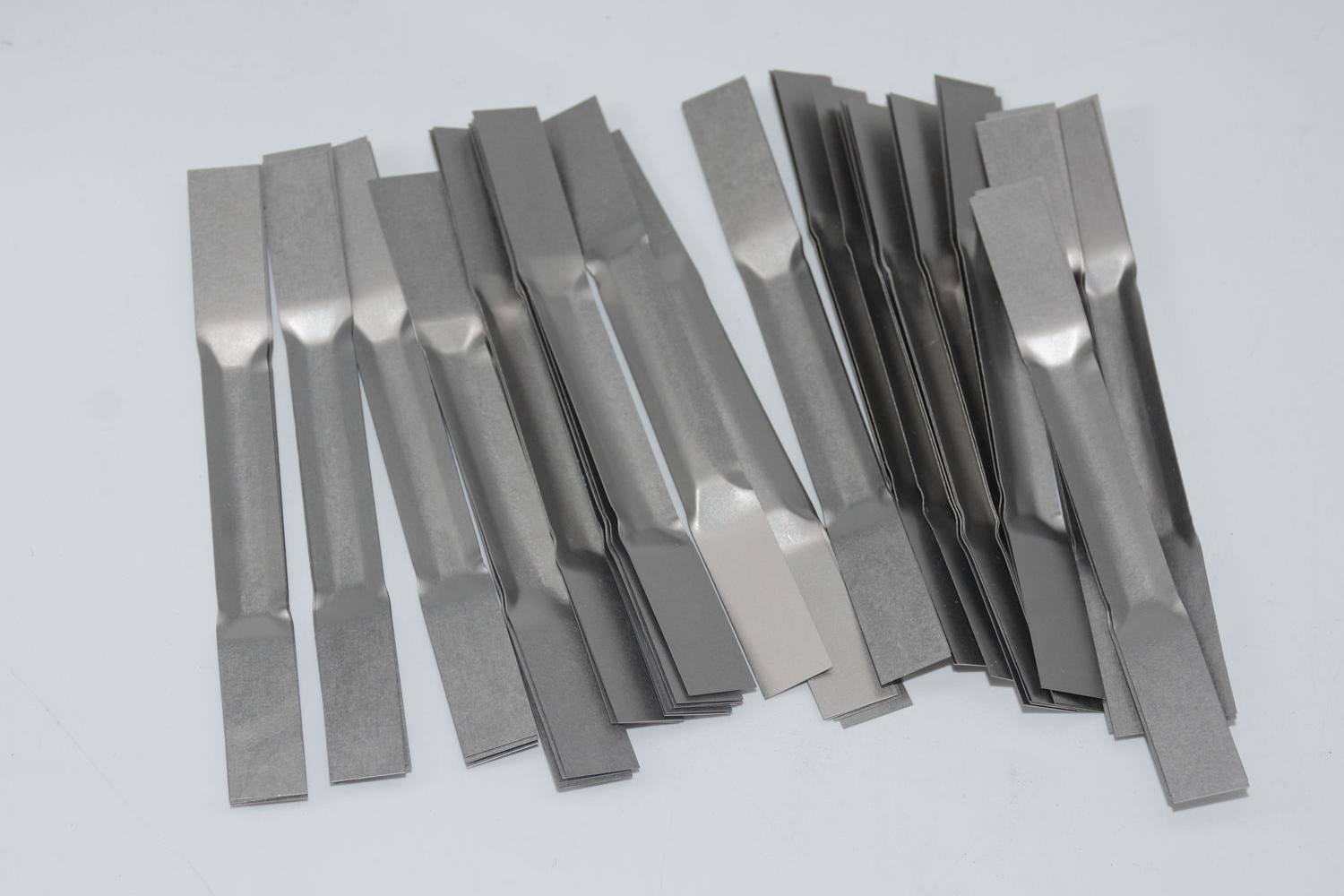
High-temperature evaporation is a cornerstone process in thin-film deposition, materials research, and industrial coating technologies. Among the various evaporation source materials available, tungsten boats have become the industry standard for demanding high-temperature applications.
Exceptional High-Temperature Resistance
Tungsten’s extremely high melting point is the basic premise on which the effectiveness of tungsten as an evaporation boat relies. Tungsten's melting point is 3,422°C, which is many times higher compared to the melting points of many metals such as aluminum, gold, silver, copper, and chromium, etc., which are used for evaporation purposes.
In the practical application of real-world evaporation systems, the high temperature resistance properties help to create a stable and managed state of heating cycles. The tungsten boats can be subjected to many cycles in which they are ramped up to the red-hot state for evaporation without compromising the mechanics, leading to the use in high-vacuum state evaporation systems in the field of microelectronic devices, optics, and thin films.
Excellent Electrical Conductivity for Resistive Heating
One of the requirements that must be met by efficient resistive heating sources is that of efficient resistive heating, which is met by tungsten exceptionally well. The combination of electrical conductivity and the changes that the resistivity of tungsten goes through to ensure efficient heating is met. Current passing through a tungsten boat is evenly distributed throughout the boat.
It can be stated that this electrical characteristic directly relates to better process control. In the application of evaporation, as an example, this relates to the creation of OLEDs, metallization of semiconductor wafers, as well as optical coating deposition. With tungsten boats, it becomes possible to fine-tune evaporation more smoothly.
Chemical Stability and Low Vapor Pressure
Another critical advantage of tungsten boats is their chemical inertness at high temperature. Tungsten exhibits excellent resistance to chemical attack and has very low vapor pressure even at an elevated temperature, which means the boat itself does not significantly evaporate or contaminate the deposited film during operation.
In many applications of thin-film deposition, purity is as critical as thickness control. Tungsten boats minimize the risk of source material contamination-a particular concern in semiconductor devices, optical interference coatings, and precision sensors. Their low vapor pressure ensures that only the intended material contributes to the vapor flux, preserving the film composition and performance.
Mechanical Strength and Dimensional Stability
The mechanical robustness against thermal stress is critical in evaporation components that are subjected to thermal cycles of repeated heating and subsequent cooling. The high mechanical strength of tungsten allows it to perform better at high temperatures, in addition to resisting creeping, warping, and distortion compared to other materials. Therefore, the material ensures stability in dimensions in the evaporation boat.
The implication of such a condition in relation to the use of the substance is the ability to have a long lifespan and a consistent state of deposit. For the tungsten boat in particular, its structure maintains its form even after multiple deposit cycles. This ensures consistency in spreading out materials on specialized surfaces.
Compatibility with a Wide Range of Evaporation Materials
Versatility is another major reason why tungsten boats are preferred for high-temperature evaporation processes. Tungsten can be used with a variety of evaporable materials, such as low melting point metals, refractory metals, as well as inorganic compounds. The chemical stability of tungsten ensures that there are no unwanted chemical reactions with the source material.
With this, it is common for tungsten boats to be used for evaporating materials such as aluminum for use in metallization, as well as materials like gold or silver for use in optical and electronic purposes, chromium for use as an adhesion layer, as well as nickel for use as a functional coating layer.
Performance in High Vacuum and Controlled Atmospheres
Typically, high-temperature evaporation takes place at high or ultra-high vacuum conditions, where the material demonstrates greatly varied properties. It was found that tungsten exhibits excellent performance in vacuum conditions, providing mechanical properties and electrical properties. Also, the low outgassing properties of tungsten contribute to vacuum conditions, which is required to produce high-quality thin films.
The practical implications of this are that in industry, tungsten boats can be considered an established option when using PVD in fabs that build both semiconductors and displays. It should also be noted that improved vacuum compatibility helps in attaining lower base pressures.
Cost-Effectiveness over the Equipment Lifetime
Although tungsten boats may have a higher initial cost compared to some alternative materials, they are highly cost-effective over their operational lifetime. Their durability, resistance to degradation, and ability to withstand repeated high-temperature cycles reduce the frequency of replacement and system downtime.
For research laboratories and production facilities alike, this long service life translates into lower total cost of ownership. Reduced maintenance requirements and consistent performance help offset upfront material costs, making tungsten boats an economically sound choice for high-temperature evaporation processes.
Applications across Advanced Industries
The combination of thermal, electrical, and chemical advantages has made tungsten boats indispensable across a wide range of industries. They are routinely used in semiconductor device fabrication, optical coating deposition, OLED and display manufacturing, thin-film solar cells, and materials science research. In each of these fields, reliable evaporation sources are critical to achieving consistent, high-performance results.
As thin-film technologies continue to evolve toward greater complexity and tighter tolerances, the demand for stable, high-temperature evaporation components continues to grow. Tungsten boats meet these demands by delivering reliability where failure is not an option.
Conclusion
Tungsten boats are ideal for high-temperature evaporation because they combine extreme thermal resistance, efficient electrical heating, chemical stability, and mechanical durability in a single material solution. Their ability to operate reliably under harsh conditions while maintaining film purity and process consistency makes them a cornerstone component in modern evaporation systems. For more heat resistant metals, please check Advanced Refractory Metals (ARM).
REVIEWS
{{viewsNumber}}
Thought On "{{blogTitle}}"

{{item.name}}
{{item.created_at}}
{{item.content}}
LEVE A REPLY
Comment
Name
*
Email
*
{{item.children[0].name}}
{{item.children[0].created_at}}
{{item.children[0].content}}
{{item.name}}
{{item.created_at}}
{{item.content}}
More Replies
LEAVE A REPLY
Comment
*
Name
*
Email
*
SUBSCRIBE OUR NEWSLETTER
Your Name
*
Your Email
*
Success ! You're now subscribed
You've been successfully subscribed! Check your inbox soon for great emails from this sender.
Our Latest News
Tel : (949) 407-8904
Address : 1940 East Deere Avenue, Suite 100, Santa Ana, CA 92705, U. S. A
Metals

Useful Links
Featured Posts